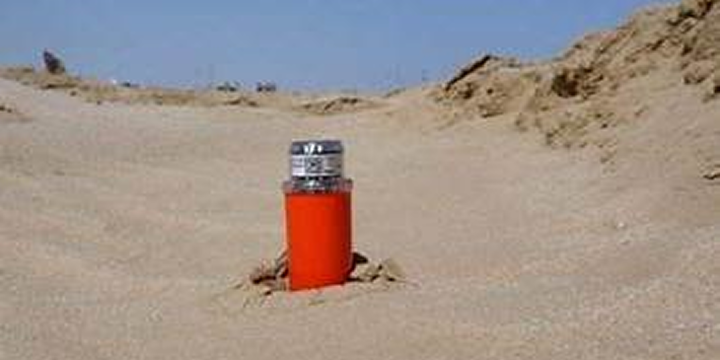
Nodal technology has revolutionized land seismic acquisition by introducing compact, wireless sensors known as nodes, which have replaced traditional cabled systems. These advancements have led to significant improvements in data quality, operational efficiency, and environmental impact.
Enhanced Data Quality
Traditional cabled systems often faced challenges such as signal interference and data loss due to cable damage or poor connections. Nodal systems, being wireless, eliminate these issues, resulting in cleaner, more reliable data. The autonomous nature of nodes allows for flexible deployment strategies, enabling higher-density surveys that capture more detailed subsurface information.
Operational Efficiency
The lightweight and portable design of nodes simplifies transportation and deployment, reducing the manpower and time required for setup compared to bulky cabled systems. This efficiency is particularly beneficial in challenging terrains where laying cables is difficult or hazardous. Additionally, the independence of each node allows for simultaneous data collection across vast areas, further accelerating the acquisition process.
Reduced Environmental Footprint
Nodal technology’s minimal infrastructure requirements lead to less environmental disturbance. Without the need for extensive cabling, there is a decreased risk of soil disruption and harm to vegetation. This aspect is crucial in environmentally sensitive regions where preserving the natural landscape is a priority.
Case Study: STRYDE’s Nodal System
STRYDE, a leader in nodal technology, has developed a system that exemplifies these benefits. Their nodes are among the smallest and lightest available, facilitating rapid deployment and high-density data acquisition. In field applications, STRYDE’s system has demonstrated significant cost savings and improved data resolution, showcasing the transformative impact of nodal technology on land seismic acquisition.
In conclusion, the adoption of nodal technology in land seismic acquisition has led to superior data quality, increased operational efficiency, and a reduced environmental footprint, marking a significant advancement in geophysical exploration